Clergy Tax Information
Understanding the tax topics that matter for clergy and retirement planning

Clergy tax considerations can differ from those of other professions. From housing allowances to self-employment taxes, understanding how these topics work can help you make informed decisions throughout your ministry and into retirement.
Explore key tax topics that may impact active and retired clergy. Each section provides an overview and links to additional details and guidance.

Housing Allowance
Self-Employment Tax (SECA)
Tax Forms

Housing Allowance
Learn how housing allowances are treated for tax purposes
The housing allowance is a long-standing federal tax provision that allows qualified housing support to be excluded from federal income tax. It can apply to active clergy living in a parsonage or private housing and may also apply to retired clergy.
Guidance includes how housing allowances are defined, how value is determined and what documentation may be required. You can also explore resources from trusted denominational partners and Wespath materials that explain housing allowance considerations across different life stages.

Self-Employment Tax (SECA)
Understand how Social Security and Medicare taxes apply to clergy
Clergy often have dual tax status. They are typically treated as employees for federal income tax purposes and self-employed for Social Security and Medicare taxes under the Self-Employment Contributions Act (SECA).
This section focuses on how SECA relates to Social Security participation, including what clergy should understand when considering whether to opt out of Social Security and the long-term implications of that decision.
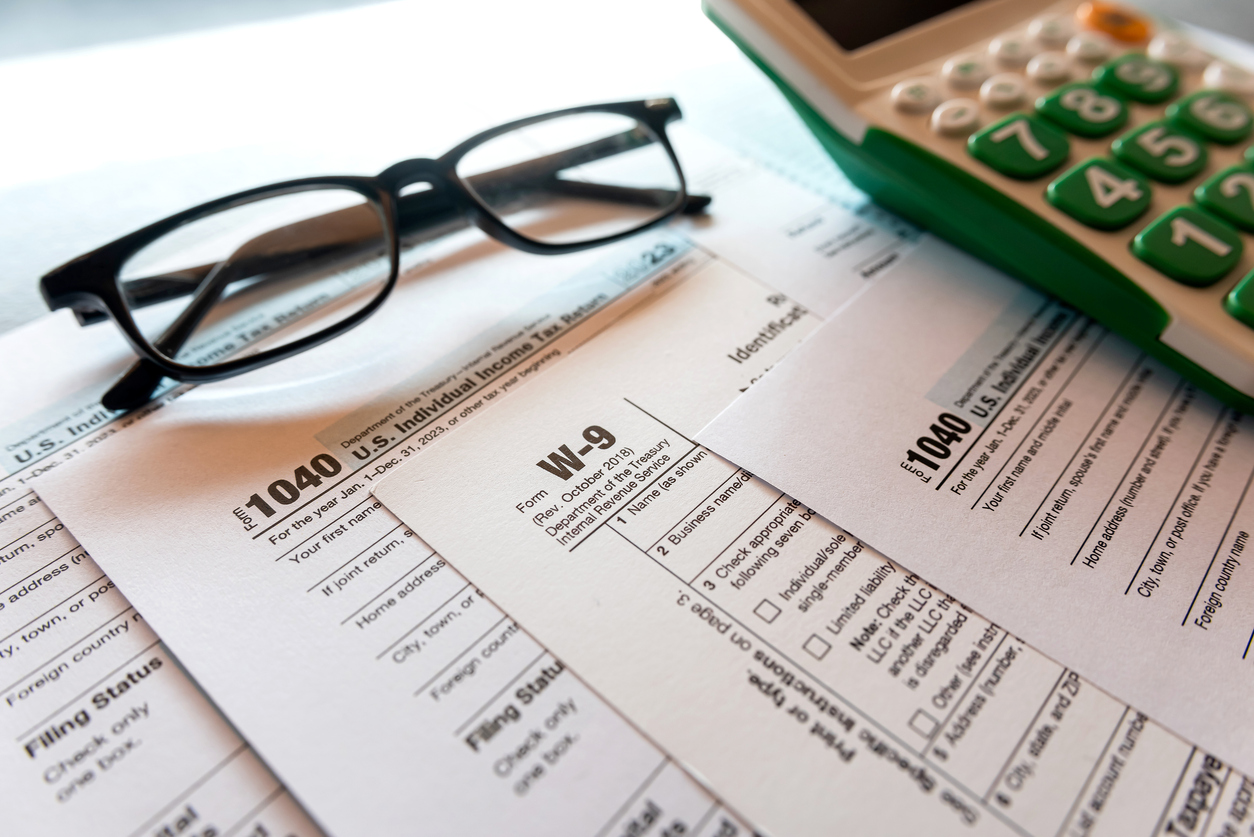
Tax Forms
Know what tax forms to expect and when they arrive
Wespath provides certain IRS reporting forms to participants each year. These forms support accurate tax filing and typically follow an annual mailing schedule.