Housing Allowance
Understanding how housing allowances may affect your taxes

Clergy taxes can be complex, and housing allowances are one of the most unique areas. This page provides a high-level overview of how housing allowances work for active and retired clergy, so you can better understand how they may apply to your situation.

What is a housing allowance?
A housing allowance allows eligible clergy to exclude a portion of compensation from federal income tax when that amount is used to provide housing. This exclusion applies to ordained, commissioned, or licensed clergy serving in ministry roles and may apply during active service and retirement.
Unlike a deduction, a housing allowance is an exclusion from income. That means the excluded amount is not reported as part of your taxable income for federal income tax purposes.
To qualify, the housing allowance must be officially designated in advance by the appropriate church authority for the tax year in which it applies.

How the housing allowance exclusion works
The amount you can exclude is limited. In general, the excludable amount is the smallest of:
- The housing allowance officially designated in advance
- Your actual housing expenses
- The fair rental value of your home including furnishings plus utilities
Housing expenses may include items such as mortgage payments, rent, utilities, furnishings, insurance, maintenance, and similar costs associated with providing a primary residence.
Because the designation must happen before the tax year begins, it is important to ensure housing allowances are properly documented in advance.
Housing Allowance
For Active Clergy
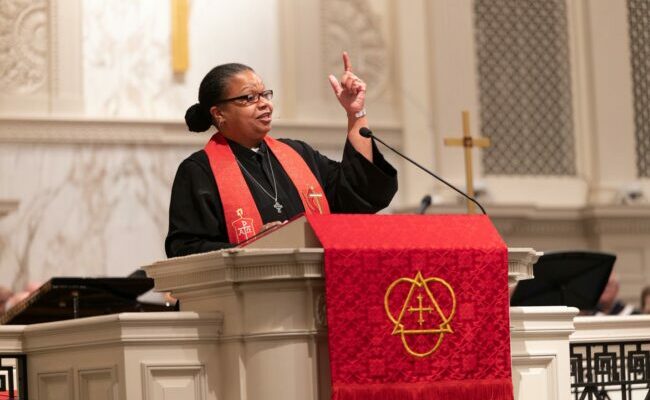
Active clergy who own or rent a home may qualify for the housing allowance exclusion if the allowance is properly designated before compensation is paid for the year.
Clergy living in a parsonage may exclude the fair rental value of the parsonage from federal income tax. In some cases, an additional allowance may be designated to cover housing-related expenses such as furnishings or utilities.
Because allowances cannot be applied retroactively, planning and documentation before the start of each tax year is essential.
Important Considerations
Some additional factors may affect how the housing allowance applies:
- Distributions rolled out of a Wespath-administered plan into certain other retirement accounts may not qualify for the exclusion.
- The housing allowance exclusion generally ends at the death of the clergy person and does not extend to surviving spouses or beneficiaries.
- Housing allowance rules can interact with other tax considerations, such as Social Security taxes or retirement income.
A Note on Guidance
Housing allowance rules can be nuanced and individual situations vary. Consider working with EY Financial Planning Services*, a team of qualified tax professional who understands clergy tax issues when making decisions about housing allowances.
* Costs for these services are included in Wespath’s operating expenses that are paid for by the funds. Services are available to active participants and surviving spouses with account balances, and to retired and terminated participants with account balances of at least $10,000.